Overview of Vietnam’s Export Landscape in 2025–2026
As Vietnam enters the 2025–2026 period, its export sector is facing growing pressure to transform. Global markets remain volatile, technical barriers are becoming more stringent, and competition is no longer driven solely by price or volume. Instead, success increasingly depends on brand strength, compliance with international standards, and access to global distribution networks.
Experts and exporters agree that 2026 will be a pivotal year, requiring Vietnamese businesses to shift from the mindset of “exporting what we have” to “exporting what the market needs,” while making serious investments in long-term strategies.
Vietnamese Businesses Can No Longer Rely Solely on Contract Manufacturing
Many companies acknowledge that a large share of Vietnamese exports is still shipped under OEM arrangements, or in the form of raw materials and semi-finished goods. While this approach helps maintain production volume, it results in low value added, thin profit margins, and limited brand recognition for Vietnamese products in international markets.
By 2026, the limitations of this model will become even more evident. When foreign buyers change suppliers, exporters without their own brands or independent distribution networks can be easily replaced. As a result, exporting under proprietary brands is increasingly seen as essential for sustainable growth.
Expanding Markets Is Not Just About Finding New Buyers
While many exporters continue to focus on traditional markets such as the European Union and the United States, they are also actively exploring opportunities in South Korea, Japan, the Middle East, and other countries within the Comprehensive and Progressive Agreement for Trans-Pacific Partnership (CPTPP).
However, expanding into new markets goes far beyond attending trade fairs or identifying overseas buyers. Businesses must gain a deep understanding of:
- Local consumer preferences
- Mandatory technical standards and certifications
- Requirements for traceability, environmental compliance, and social responsibility
- Appropriate distribution channels, including e-commerce platforms, retail chains, and exclusive distributors
A lack of market-specific insight often prevents Vietnamese products — even those with strong quality — from succeeding on international shelves.
Value Addition and Product Diversification Are Vital
Rather than exporting a limited range of basic products, many enterprises are diversifying their portfolios, upgrading product quality, and increasing processing content. This strategy plays a key role in:
- Increasing export value per unit
- Reducing dependence on volatile raw material prices
- Aligning with global consumer trends favoring premium and sustainable products
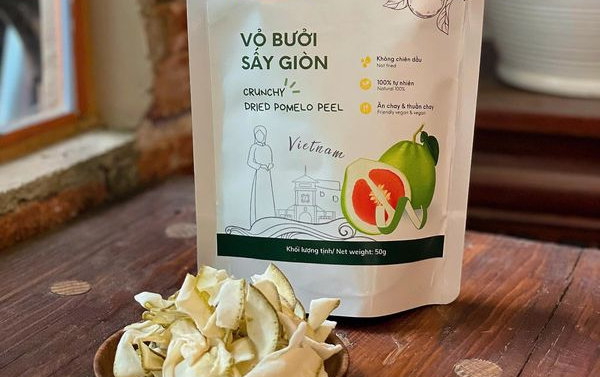
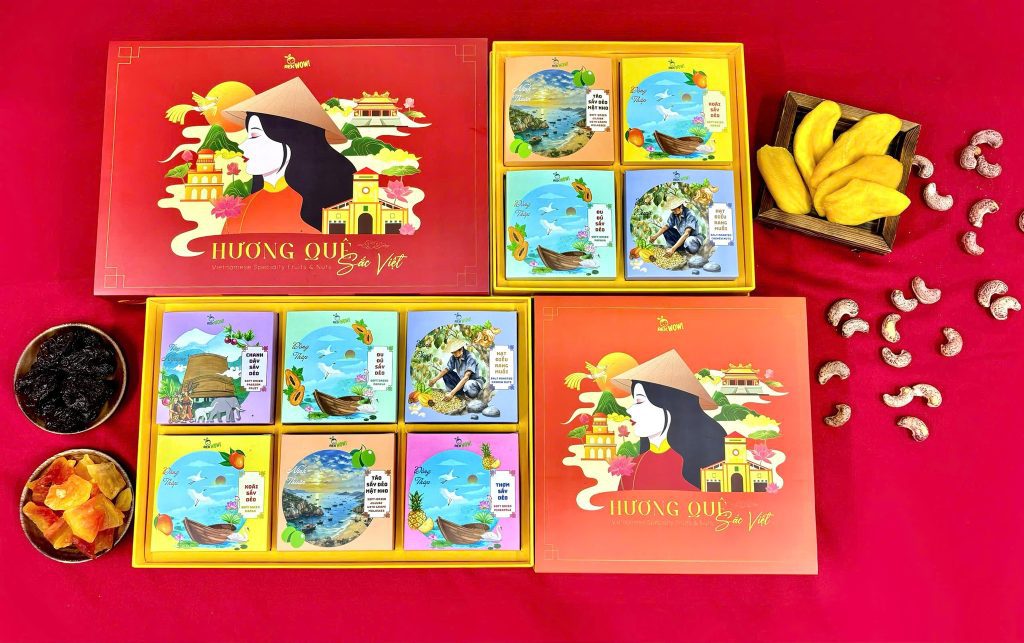
In sectors such as processed foods, agricultural products, and consumer goods, products with clear origin stories, professional packaging, and well-defined brand positioning are becoming decisive competitive advantages.
The Biggest Barriers: Brand Recognition and Distribution
According to logistics and export consultants, Vietnam’s greatest challenges in international markets are not related to manufacturing capacity, but rather to:
- Low brand recognition
- A lack of local distribution partners
- Limited international marketing capabilities
Many Vietnamese products sold in overseas supermarkets are marketed under importers’ private labels, meaning consumers are often unaware of their Vietnamese origin. This undermines efforts to build long-term national branding and sustainable business value.
New Standards and Requirements from International Markets
In the coming years, international market requirements are expected to become increasingly stringent. Beyond traditional quality standards, exporters will need to comply with:
- Food safety and environmental certifications
- Sustainable development and ESG standards
- Specialized certifications such as Halal for Middle Eastern markets
Proactively standardizing production processes and investing early in certifications can help businesses reduce market entry risks and strengthen credibility with international partners.
The Role of Trade Promotion and Government Support

In parallel with enterprise-level efforts, trade promotion programs, international business networking, market research initiatives, and institutional support play an important role in helping small and medium-sized enterprises access global markets more effectively.
These initiatives not only assist businesses in finding partners, but also help them stay informed about market trends, regulatory requirements, and suitable entry strategies for different regions.
Conclusion: 2026 as a Year of Strategic Transformation
The year 2026 is not merely another milestone for export expansion. It represents a turning point that compels Vietnamese exporters to fundamentally restructure their strategies. Only those companies that invest in brand building, value-added products, international standards, and sustainable distribution channels will be able to compete successfully and achieve long-term growth in the global marketplace.
Source Reference
This article is translated and adapted from the original Vietnamese article titled
“Mở rộng thị trường năm 2026: Nhà xuất khẩu Việt phải thay đổi điều gì?”
Published on VnBusiness.
Original source:
https://vnbusiness.vn/viet-nam/mo-rong-thi-truong-nam-2026-nha-xuat-khau-viet-phai-thay-doi-dieu-gi-1111654.html